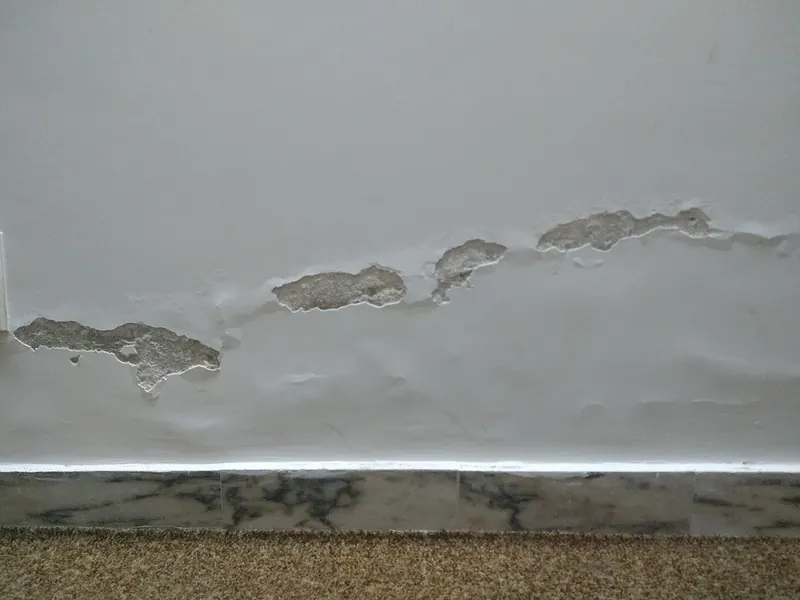
Hidden Mold Remediation (Behind Walls)
Hidden mold remediation locates and clears hidden mold behind wall surfaces, beneath flooring and over ceilings where it is out of view.
See hidden mold remediation (behind walls)Find the moisture behind a mold smell in Azusa. The scope should cover source removal, cleaning and drying.
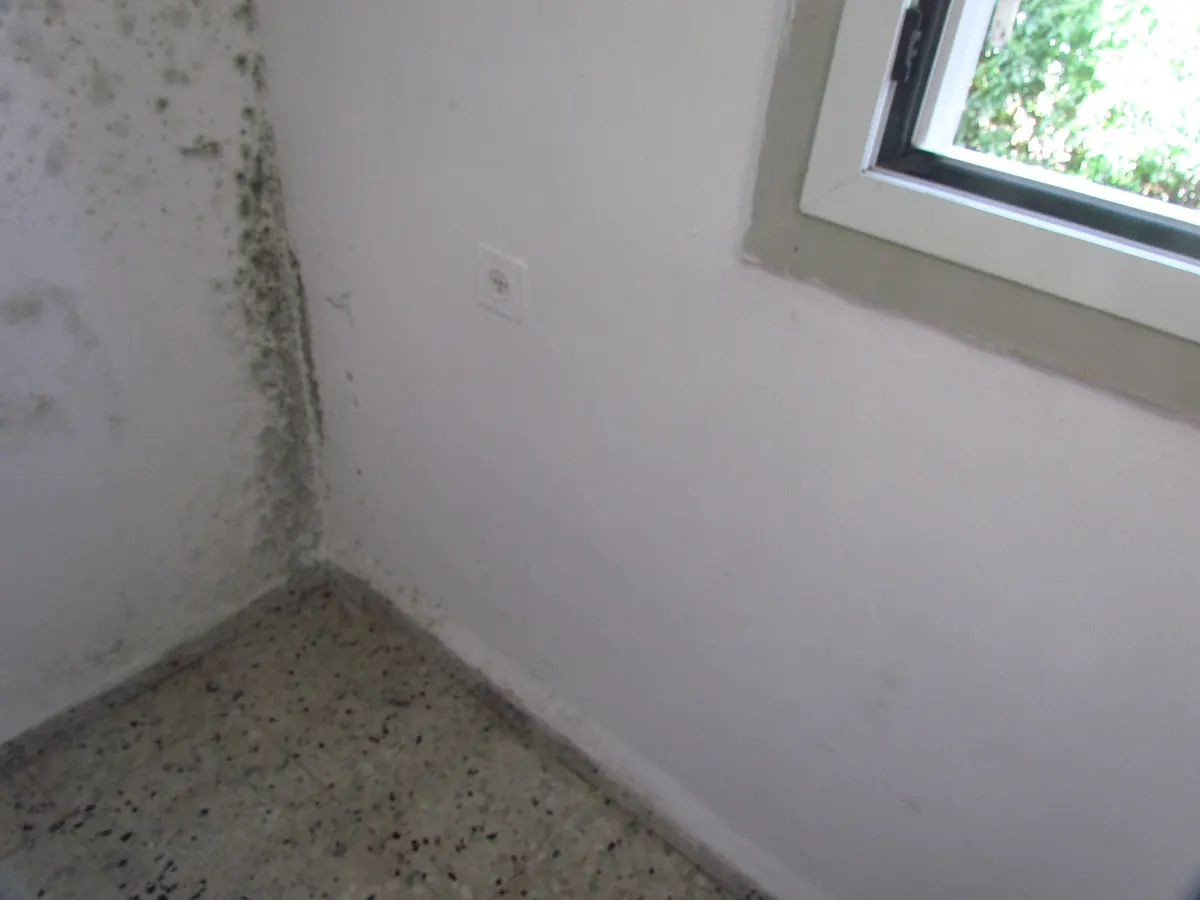
The damp source must come out first. Cleaning and odor control follow.
A mold smell in house rooms may point to wet drywall, carpet, a leak or high humidity. Moisture readings help direct the inspection.
Hidden growth does not go away with deodorizer. Addressing the cause can require a containment barrier, HEPA-filtered air, removal of material and drying.

Have a separate assessor judge clearance instead of relying on the cleanup company to assess itself.
Find out where containment goes and how HVAC vents and unaffected areas are protected.
Ask how the source will be traced. Smells may come back if damp materials stay in place.
Materials, removal boundaries, cleanup, drying and concealed-growth measures belong in the written scope of work.
Investigate if ventilation fails, or if nearby material looks wet, stained or moldy.
To prevent mold growth, EPA says water-damaged items should be dried within 24 to 48 hours.
Inspect for restricted air movement, packed textiles, wall dampness and a pipe leak.
Color is not evidence of risk, according to CDC. Cleanup decisions depend on materials, dampness and size.
Look for a roof or pipe leak when drywall softens, stains appear or odors strengthen.
Before touching moldy material, stop the moisture and take steps to keep dust from spreading.
Call (844) 352-3560For odor removal by dry fog, Fixr puts the per-job range between $800 and $1,100 nationally. Air scrubber and HEPA vacuum use is listed at $500 to $1,000 per job. A related national remediation guide puts a job at $1,500 to $9,000 and gives areas above about 10 square feet a rate per square foot of $10 to $30 as guidance, not a quote.
The figures are published national cost guide ranges, not results of a property visit. Following an on-site assessment, the property price should be explained to you before any work begins.
Ask about cost: (844) 352-3560Insurance may cover mold work tied to a sudden water event that is covered, but long-term leaking and humidity are common exclusions.
Report promptly. Confirm what records are required, along with the cause and any sublimits.
Under California's housing law, visible mold found by a health officer or code enforcement officer can make a rental substandard. Renters can contact their local health or code enforcement department to ask for an inspection. Save date-stamped pictures, notices and access documentation related to repairs and leaks.
California's Toxic Mold Protection Act includes a landlord written-disclosure section (Health and Safety Code 26147). By its own wording it applies only after the state adopts mold exposure standards, and the state health department has said it could not set them. Save the work scope, photos, invoices and independent verification.
Which source is involved usually controls coverage. A pipe break differs from a long-running leak.
Mold remediation steps cover source finding, removal, cleaning and drying in the scope of work.
The inspection tracks leakage, discoloration and smells. Materials are checked with a moisture meter. A thermal imaging camera by itself does not confirm mold.
A containment barrier, negative pressure and a HEPA air filtration device help contain dust.
Insulation, carpet, drywall and ceiling tiles that are porous may require bagged removal.
A remediation protocol can call for wire brushing, damp wiping, HEPA sanding or HEPA vacuuming.
Drying is supported by air movers and a dehumidifier. Progress is tracked through relative humidity and moisture readings.
Independent post-remediation verification may use visual, moisture or air checks. Do not ask the removal company to evaluate its own clearance.

Call any hour. Your call reaches a mold odor removal specialist who hears your concerns and explains the process ahead.
When contaminated water, HVAC equipment or hidden growth is involved, the job may need professional help.
A HEPA air scrubber, poly sheeting and negative pressure can help control particle movement.
Cabinet backing, subfloor and wet insulation may escape surface cleaning. The search is focused with moisture readings.
Allergy and asthma symptoms can be triggered by mold for some people. Some conditions make the risk higher.
Can you clean it yourself? For areas under about 10 square feet, EPA says homeowner cleanup is often possible after repairing the water source. Larger areas, HVAC systems and contaminated water call for professional help.
Some non-porous surfaces can remain after cleaning. Affected materials may require removal.
California has no state license or certification for mold assessors or remediators, according to the California Department of Public Health. General construction work above a small dollar amount does need a license from the Contractors State License Board (CSLB), so it is worth checking a contractor's license there and asking about their mold training. Ask which local permits apply to demolition, plumbing, electrical work or rebuilding.
EPA says to dry water-damaged areas within 24 to 48 hours to prevent growth.
There is no federal indoor mold limit. Any sampling should address something relevant to decisions about scope.
The California Department of Public Health (CDPH) Air Quality Section publishes mold and dampness guidance and a mold FAQ. CDPH says visible mold, dampness, and mold odor are unhealthy and should be fixed, and that routine mold testing is not needed when mold is visible. Check the present rules for work at the property.
The time needed varies with access, moisture correction, drying and the materials removed. Ask how the work will be sequenced.
The full mold odor removal guide covers what is cleaned or removed, odor and air quality work, and the rules that apply in your state.
Read the full mold odor removal guideLocal housing, humidity and property access can shape moisture control, containment and mold cleanup planning.
The local mix includes 45 percent renter occupied homes, making dated photos and written leak reports useful for identifying which surfaces and adjoining spaces need to be checked.
With housing centered on a 1970 build year, mold removal may require checking wall cavities, attic insulation, basements, or crawl spaces for moisture that is not visible.
Where single-family housing represents 62 percent of homes, identifying the property type helps determine which hidden spaces and neighboring surfaces should be checked.
With 18 percent of seniors living alone, regular checks under sinks and around ceilings can still help reveal moisture before mold spreads behind materials.
Hidden mold remediation locates and clears hidden mold behind wall surfaces, beneath flooring and over ceilings where it is out of view.
See hidden mold remediation (behind walls)
This service pairs a mold inspection with removal, so the crew finds where mold is growing and then cleans it out.
See mold inspection and removal
Removing surface and material growth, bagging items beyond saving and preparing the area for repairs are all part of mold cleanup.
See mold cleanup
Mold remediation is the process of containing, removing and cleaning mold growth, then fixing the moisture problem that caused it.
See mold remediation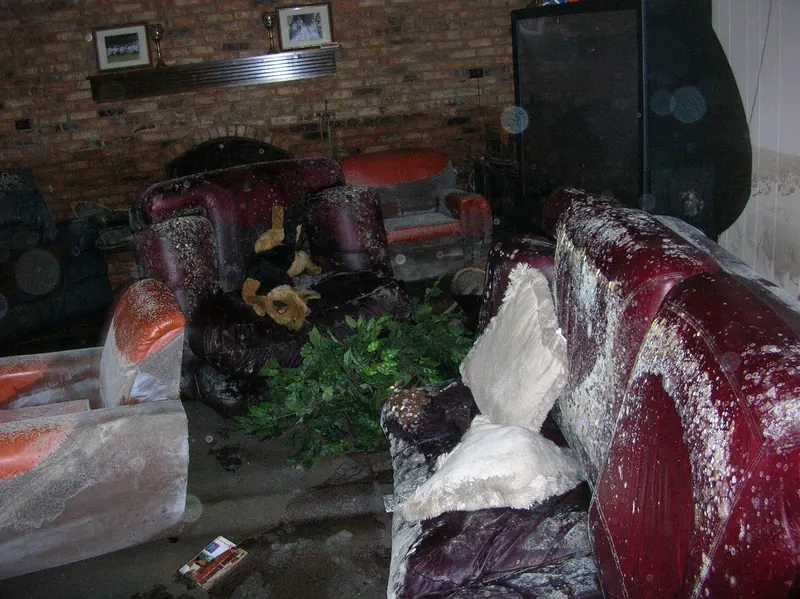
Belongings reached by mold, including clothes and furniture, receive contents cleaning so items that can be saved come back clean.
See moldy belongings and contents cleaning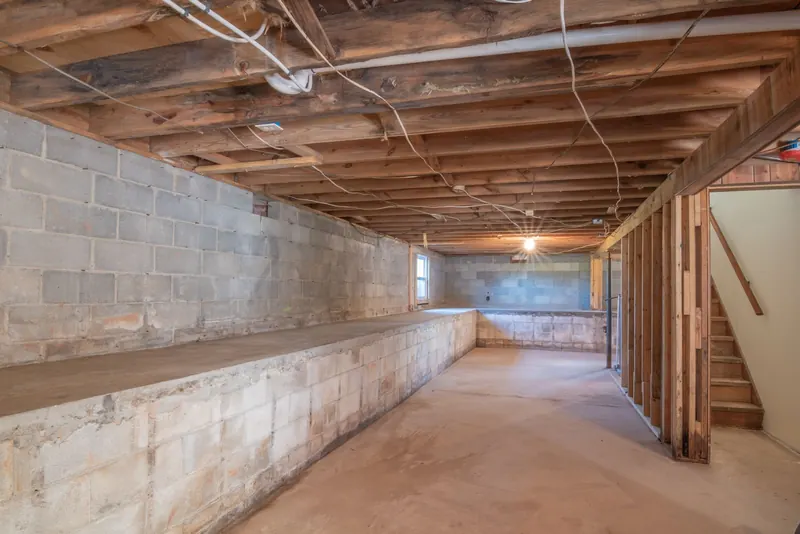
Basement mold removal addresses walls, framing, floors and stored items while correcting the damp conditions that support the growth.
See basement mold removal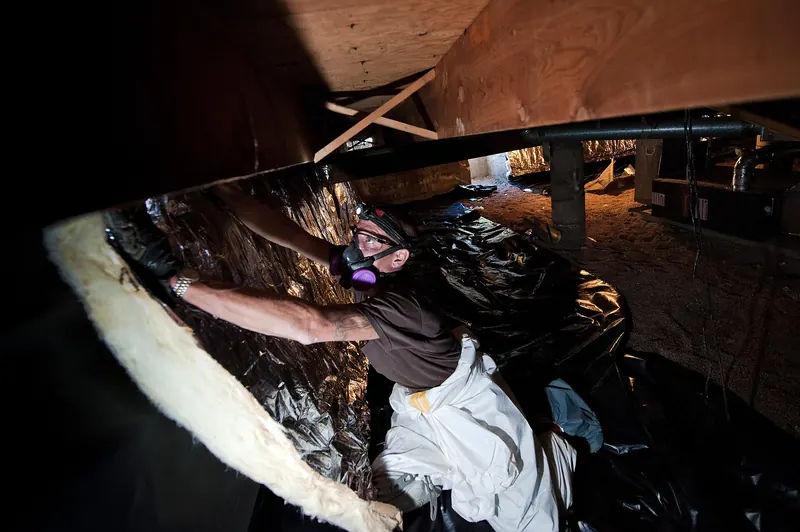
Under your home, crawl space mold removal cleans the subfloor, joists and insulation and deals with the moisture source.
See crawl space mold removal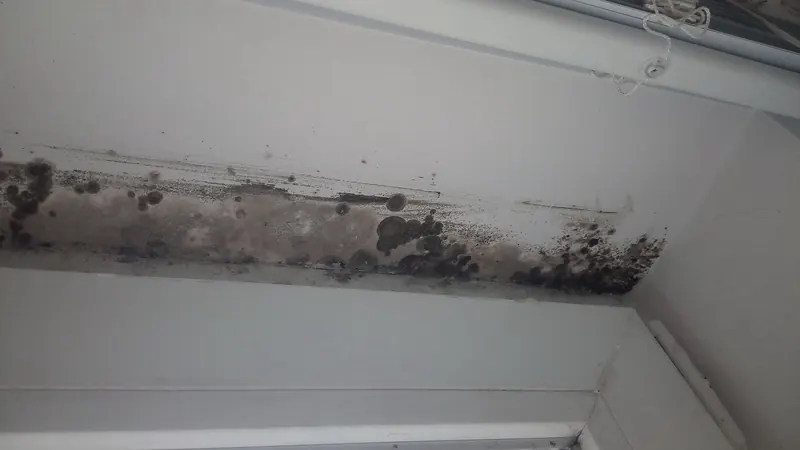
This service removes mold caused by high humidity and condensation on windows, walls and ceilings and points out how to lower moisture.
See humidity and condensation moldAlthough dark mold can have a musty odor, neither smell nor color indicates risk. According to CDC guidance, color cannot test for danger. Find the moisture source and inspect affected material. Base the cleanup plan on material, affected size and location rather than color.
People may call the odor earthy, musty, stale or damp. Wet carpet, drains and stored fabrics can create odors. Identify both the strongest-smelling area and when the smell varies. Use moisture checks and visual inspection because an odor alone does not prove mold.
Near the smell, check for condensation, leaks, staining, softened material and growth you can see. Observe whether HVAC use, humid weather or rainfall alters the odor. Moisture readings can direct the inspection. Temperature patterns from thermal imaging may guide further checks, but examining the actual material is necessary before confirming mold.
For each job, Fixr puts HEPA vacuums and air scrubbers at $500 to $1,000 and dry fog odor removal at $800 to $1,100 respectively. The figures come from nationwide cost guides. How much work is required can change with containment, source removal, drying, cleaning and repair needs.
Not every visible problem needs air sampling. Use testing to resolve a clear issue, such as evaluating clearance or examining an odor without any visible source. There is no federal indoor mold limit, so the plan should explain how results affect the remediation decision.
Address the moisture source before cleanup. With suitable containment in place, discard uncleanable porous material. Follow with surface cleaning, HEPA vacuuming, filtration and drying. Dry fog, antimicrobial treatment, fragrance and painting are not substitutes for removal of growth and water-damaged material.
For calm and useful guidance about mold odor removal, you can reach someone by phone 24 hours a day.