
Mold Remediation
Mold remediation is the process of containing, removing and cleaning mold growth, then fixing the moisture problem that caused it.
See mold remediationGet a home mold removal plan near Azusa for materials in an occupied home.

Residential mold removal cleans growth after the moisture problem is corrected.
Affected materials are identified during inspection. The home mold removal scope may cover a single-family residence, an attic, a crawl space, a basement, or another lower level.
Containment, HEPA filtration, removal of damaged materials, and drying equipment may all be part of residential mold remediation. Rooms and needed repairs are identified in a written scope of work.
Mold spores exist in nature. The goal is a clean, dry area with moisture fixed.
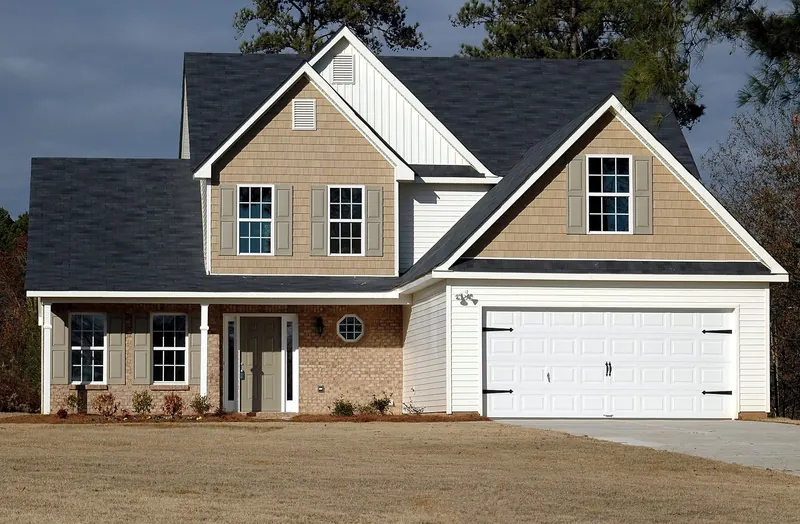
Ask about barriers, negative air pressure and staying in the house.
Have clearance testing completed by an independent assessor.
Ask how dry materials and the source will be verified.
Rooms, cleaning, repairs and removal should be identified in the scope.
Hidden growth, HVAC systems and contaminated water need extra care:
Moisture may be indicated by odor, dark spots or damp drywall.
To prevent mold growth, EPA says to dry wet items and areas within 24 to 48 hours.
Leave affected equipment off. EPA says it could spread mold through the building.
Color does not show risk. Give attention to area size, exposure and moisture.
Safely stop the water, limit disturbance, and document the conditions:
Call (844) 352-3560The nearest cost references cover general mold remediation. This Old House credits Angi for a range from $1,200 to $3,750 on remediation. Fixr gives a total range of $1,500 to $9,000 for remediation, plus a rate of $10 up to $30 per square foot above about 10 square feet. None is a quote for a home.
These ranges come from published national cost guides, not from a site visit. An on-site assessment determines the price for your property, and you should receive an explanation before the work begins.
Ask about cost: (844) 352-3560Coverage may be available when mold follows sudden water damage that is covered. Policies commonly exclude ongoing leaks and repeated humidity, and they may set a mold sublimit.
California's Toxic Mold Protection Act includes a landlord written-disclosure section (Health and Safety Code 26147). By its own wording it applies only after the state adopts mold exposure standards, and the state health department has said it could not set them. Save the verification, photos and work scope.
Ask about the cause, deductible, mold sublimit and records.
A burst pipe may be treated differently from a slow leak.
Under California's housing law, visible mold found by a health officer or code enforcement officer can make a rental substandard. Renters can contact their local health or code enforcement department to ask for an inspection. Condo ownership also calls for checking your association documents.
The moisture source determines the appropriate remediation protocol.
A mold inspection checks conditions and moisture. Air sampling should address a question that is clear.
Negative air pressure and plastic barriers help shield adjoining rooms.
Cleanup crew planning covers equipment, your belongings and removal of debris.
A HEPA air scrubber controls particles during drywall removal and other disturbance.
Porous materials might need removal. Sound surfaces might require sanding or use of a HEPA vacuum.
Drying is supported by air movers and a dehumidifier. Address the original source of condensation or leaking water.
An assessor who is independent should evaluate clearance testing and post-remediation verification.

Call any hour. A residential mold removal specialist takes your call, discusses what you see and outlines what comes next.
Use added care in house mold removal when contaminated water, ventilation, or porous materials are involved.
EPA calls for help from a professional experienced in buildings affected by contaminated water or sewage.
Surface cleaning cannot dry insulation inside a cavity. Measure moisture before making repairs.
Particles can be controlled with containment and a HEPA air scrubber.
Can you clean it yourself? According to EPA, homeowners or renters can often clean an area under about 10 square feet. HVAC involvement, contaminated water and larger areas of growth call for professional help.
Hidden growth, access, containment and drying affect how long it takes.
Smell alone cannot locate hidden mold, though an odor can be a clue. Find the moisture source rather than covering the odor.
EPA recommends keeping indoor relative humidity under 60 percent, while 30 to 50 percent is ideal. Repair leaks directly.
California has no state license or certification for mold assessors or remediators, according to the California Department of Public Health. General construction work above a small dollar amount does need a license from the Contractors State License Board (CSLB), so it is worth checking a contractor's license there and asking about their mold training. Ask about permits for demolition and rebuilding.
Fix moisture and dry items that are wet within 24 to 48 hours, according to EPA.
Indoor mold does not have a federal limit. Testing should answer a clear question.
The California Department of Public Health (CDPH) Air Quality Section publishes mold and dampness guidance and a mold FAQ. CDPH says visible mold, dampness, and mold odor are unhealthy and should be fixed, and that routine mold testing is not needed when mold is visible. Confirm requirements for reconstruction and disposal.
The full residential mold removal guide covers what is cleaned or removed, odor and air quality work, and the rules that apply in your state.
Read the full residential mold removal guide
Local housing, humidity and property access can shape moisture control, containment and mold cleanup planning.
The local mix includes 45 percent renter occupied homes, making dated photos and written leak reports useful for identifying which surfaces and adjoining spaces need to be checked.
With housing centered on a 1970 build year, mold removal may require checking wall cavities, attic insulation, basements, or crawl spaces for moisture that is not visible.
Where single-family housing represents 62 percent of homes, identifying the property type helps determine which hidden spaces and neighboring surfaces should be checked.
With 18 percent of seniors living alone, regular checks under sinks and around ceilings can still help reveal moisture before mold spreads behind materials.
During your call, ask whether mold cleanup is available in surrounding communities and ZIP codes.
Mold remediation is the process of containing, removing and cleaning mold growth, then fixing the moisture problem that caused it.
See mold remediation
Removing surface and material growth, bagging items beyond saving and preparing the area for repairs are all part of mold cleanup.
See mold cleanup
Another term for mold removal is mold abatement, which involves isolating the space before taking out contaminated materials.
See mold abatement
For black mold removal, the area around dark mold growth on drywall or wood is contained before affected material is removed.
See black mold removal
Hidden mold remediation locates and clears hidden mold behind wall surfaces, beneath flooring and over ceilings where it is out of view.
See hidden mold remediation (behind walls)
Removal comes before repairing or replacing the flooring, insulation, drywall and other materials during mold damage restoration.
See mold damage restoration
This service pairs a mold inspection with removal, so the crew finds where mold is growing and then cleans it out.
See mold inspection and removal
This page explains what affects mold removal cost, such as the size of the area, the materials involved and any repairs needed.
See mold removal costRepair leaks and respond to new water quickly. To prevent mold growth, EPA guidance says water-damaged items and areas should be dried within 24 to 48 hours. Maintain indoor humidity under 60 percent, with an ideal range from 30 to 50 percent. Recurring odors, moisture stains and condensation need investigation.
Mold requires moisture. Common sources include roof or plumbing leaks, appliance failures, condensation and high indoor humidity. The moisture source might not be near the growth you can see. You must dry the affected materials and repair the water source since surface cleaning alone cannot prevent mold from returning.
Visible mold growth, a musty odor, damp materials, leaks and stains may appear around windows, in attics or a crawl space, near plumbing and HVAC equipment, on exterior walls, or in a basement and other lower level. A home inspection can include targeted openings and moisture readings. Home mold testing may help with a defined question, but it does not replace finding moisture.
Inspection, containment, moisture mapping, HEPA filtration and negative air pressure can be included in the mold remediation steps. Moldy porous material is removed. Cleaning and drying are used on non-porous surfaces. Post-remediation verification by an independent assessor and final cleaning may follow if included in the scope.
The answer varies with the containment location, any HVAC involvement, the rooms you use and the people living at home. Ask about control of air movement and the areas you cannot enter. Because people with asthma, lung disease or weak immune systems face greater risk, carefully plan their access.
General mold remediation is covered by the most comparable published figures. Fixr lists $1,500 to $9,000 and $10 to $30 per square foot for professional work over about 10 square feet. Access, affected materials, containment, drying, repairs and verification all influence the total cost.
You can get straightforward, reassuring guidance on residential mold removal by calling 24 hours a day.