Mobile Home Mold Removal in Azusa, CA
Plan mobile home mold removal in Azusa around your affected rooms and under-floor access. Ask which repairs are included before work begins.
- Underbelly and subfloor checked
- Containment and HEPA filtration
- Moisture source addressed first
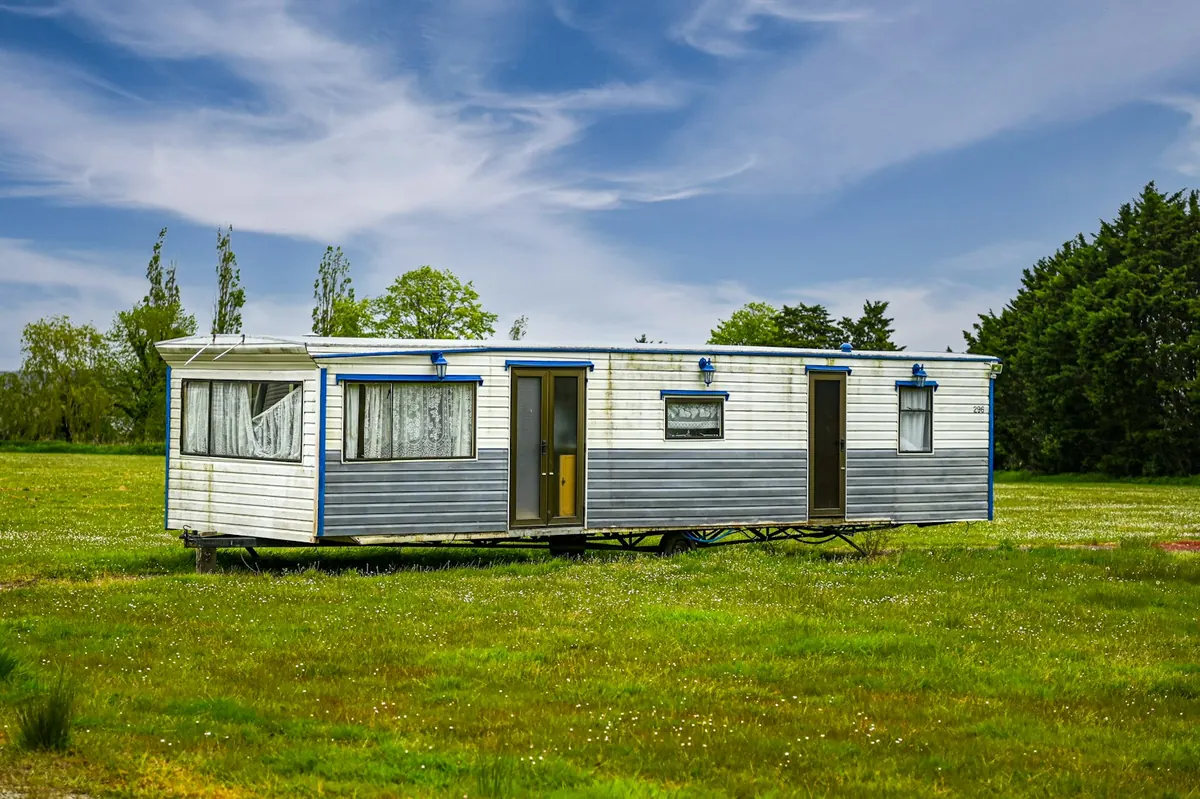
What mobile home mold removal covers in Los Angeles County
Your scope should identify affected assemblies, including areas beneath the living space.
Tell your assessor where you noticed damage and whether the home is double-wide or single-wide. Reaching a damp floor may differ from reaching a stained ceiling.
Have unreachable areas noted. Ask if your assessor will check insulation, ducts, the belly board and subfloor or limit inspection to rooms with access.
- Wall and ceiling panels
- Floor coverings and subfloor
- Underbelly insulation and covering
- Ducts and floor registers
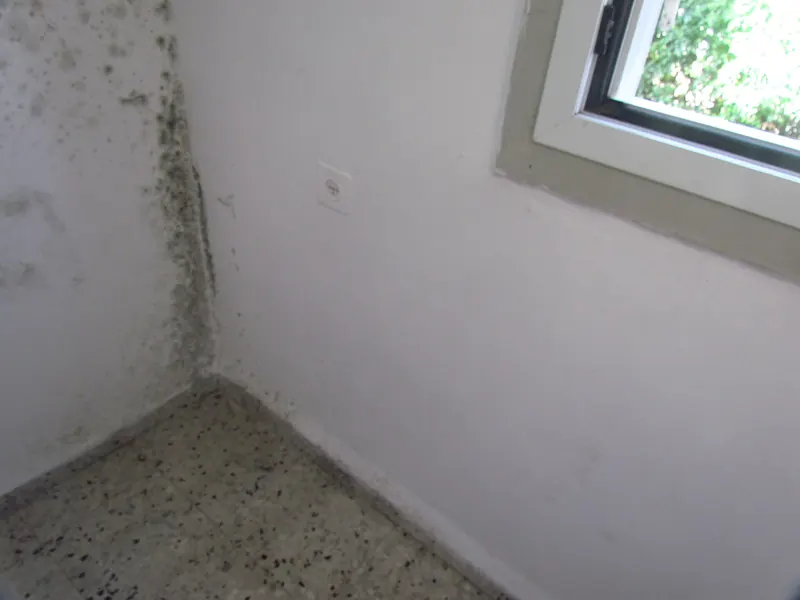
Choosing mobile home mold help in Azusa
Changes after opening
Set an explanation and authorization process for any scope of work changes before the changed work starts.
A named contact
If separate contractors remove mold and make repairs, establish who answers your questions.
Inspection limits
Determine which hidden areas will not be assessed, and ask why.
Mobile home experience
Request examples of manufactured-home jobs where access was restricted in similar ways.
Signs Worth Assessing in Your Azusa Mobile Home
Describe where the damage appears, without assuming the stain marks its full extent.
Underbelly concerns
Without opening the covering yourself, point out visible tears, sagging or wet insulation.
Mobile home floor damage
Show your assessor any soft spots or flooring that is lifting.
Mobile home window leak
Point out stains below windows and previous seal repairs.
Mobile home ceiling stains
Make a note of whether rain precedes stains or roof openings are nearby.
Your First Actions for Mobile Home Mold in Los Angeles County
Limit disturbance while arranging an assessment.
Call (844) 352-3560- Stop accessible water. For a plumbing leak, act only when safe. Stay clear of wet electrical equipment.
- Leave growth undisturbed. Leave it unscraped and avoid dry-brushing. Keep people and pets outside the affected area.
- Keep affected HVAC off. Do not operate a potentially mold-contaminated system: EPA cautions that running the system can spread mold.
- Arrange prompt drying. EPA recommends drying water-damaged areas and items within 24 to 48 hours to prevent mold growth.
- Leave concealed spaces intact. Leave the belly board in place and cavities closed when taking photos.
Understanding Mobile Home Mold Cleanup Costs in Azusa
These Fixr figures describe general mold remediation, not manufactured homes specifically. Use them to discuss scope, not predict your bill.
Typical national range, average $3,500
$1,500 to $9,000 per jobSource: Fixr, Mold Remediation Cost (checked 2026-10-23)Professional pricing when the area exceeds about 10 square feet
A square foot costs $10 to $30Source: Fixr, Mold Remediation Cost (checked 2026-10-23)Roughly 50 square feet affected by mold
$500 to $1,500 per jobSource: Fixr, Mold Remediation Cost (checked 2026-10-23)Understanding Changes to Your Cleanup Cost
- Separate testing and repair charges
- Under-floor access restrictions
- Containment and drying equipment
- Affected area beyond visible growth
- Material removal and disposal
Published Mold Cost Guides Are Not Quotes
These ranges come from published national cost guides, not from a site visit. Following an on-site assessment, the property price should be explained to you before any work begins.
Ask about cost: (844) 352-3560Payment questions in California
Ask your insurer about your specific loss before assuming coverage.
Temporary arrangements
Ask about required approvals and coverage of expenses for temporary accommodation or storage.
Work authorization
Before disposal or removal begins, find out your insurer's requirements.
Limits and deductibles
Ask which mold limit and deductible apply, if coverage exists.
Mobile home policy questions
Ask whether the origin of water changes coverage. Treatment can differ between abrupt damage and leaks continuing long term.
Preparing for Mold Cleanup in Greater Los Angeles
Have the assessment guide your work sequence, with final checks ahead of barrier removal.
Mobile home moisture survey
Mark affected locations. Damp materials can be located with a moisture meter; mold cannot be identified that way.
Moisture repair coordination
Fix the water problem first or mold can return. Identify who will correct it.
Containment and removal
To control dust and mold spores as materials come out, use an assessed containment barrier together with a HEPA air scrubber and negative air pressure.
Cleaning remaining surfaces
For materials you retain, professional cleaning may combine surface cleaning with a HEPA vacuum. You cannot substitute antimicrobial treatment for cleaning.
Drying checks
Record moisture readings before closing cavities or replacing finishes.
Post-remediation verification
Before containment comes down, check the cleaning and drying. If you use clearance testing, have an independent assessor perform the assessment.
Your Underbelly Restoration: Agree on Responsibility
Before giving approval, decide who completes each repair to prevent an opening being left unfinished.
- Assign restoration of insulation and belly covering to someone.
- Establish who will repair damaged ducts or plumbing.
- Decide who will examine the vapor barrier and assess ground dampness.
- Assign skirting reinstallation and the following access check to someone.

Discuss Mobile Home Mold Removal in Azusa
Call any hour. A mobile home mold removal specialist takes your call, discusses what you see and outlines what comes next.
Mobile home mold concerns across Greater Los Angeles
Cleanup planning depends on who lives in your home and its condition.
Sensitive occupants
According to CDC, risk is greater for people with asthma, weakened immune systems or lung disease. For some people, mold may act as a trigger for asthma and allergy symptoms.
Contaminated water
EPA recommends that you seek experienced professional assistance for contaminated water damage or sewage.
Color is not a risk measure
CDC guidance says mold color does not tell you how risky it is.
Can you clean it yourself? Homeowners can often clean areas under about 10 square feet, according to EPA. For larger areas or affected HVAC systems, turn to professional help.
Material choices for your mobile home in Los Angeles County
Sound wood may suit cleaning and drying despite being porous. Give its condition equal weight with surface type in your decisions.

Non-porous surfaces to assess
- Metal fixtures
- Glass and intact tile
Porous building materials to assess
- Assess sound framing to determine cleaning and drying options
- Consider whether moldy insulation or wallboard needs discarding
- Unsound subfloor: assess replacement
Contents decisions
- List your belongings within the work zone
- Settle which belongings need assessment on their own
- Approve and record disposal decisions
Planning Your Mobile Home Mold Project Schedule in Los Angeles County
Request milestones based on conditions instead of a set completion date.
- Access beneath the home: Blocked skirting and insufficient clearance may complicate assessing and removing mold.
- Concealed damage: Opening an affected assembly may change the removal boundary and repair scope.
- Drying and handoff: Rebuilding depends on how much moisture remains and when repairs are available.
Indoor Odor and Humidity in Your Home
A musty odor can suggest concealed dampness, but smell alone cannot define the affected area. Note when and where it occurs.
EPA recommends indoor humidity below 60 percent, ideally 30 to 50 percent. A dehumidifier cannot repair a leak.

Scope and Repair Planning
Use the full mobile home mold removal guide to prepare questions about the assessment, scope and next steps for your property.
Read the mobile home mold removal guidePlanning Mobile Home Mold Removal in Azusa
Housing numbers tell you about the locality, rather than the state of your property. Base your plans for records, access and moisture repairs on assessment results.
Census ACS 2024 5-year (tables B01003, B25003, B25035, B09021 and B25024). Area estimates do not establish conditions at an individual property.
In Azusa, renters occupy 45 percent of occupied housing units. Ask who will repair the moisture source and who will replace any materials removed during cleanup.
The median year built for housing units in Azusa is 1970. This does not establish your building age or condition. Ask who will repair the moisture source and who will replace any materials removed during cleanup.
Single-family units make up 62 percent of all housing units in Azusa. Before work starts, discuss access to the affected room and any adjoining space that needs inspection.
In this community, 18 percent of residents aged 65 or older live alone. Keep dated photos of the affected area and a record of the repair and cleanup scope.
Planning Your Property Assessment
- Check indoor humidity along with plumbing, roofing, drainage, and ventilation, since mold can return when the original moisture source remains active.
- For your property, record the rooms affected and ask who can authorize access before work begins.
Answers to Mobile Home Mold Removal Questions in Azusa
Should cleanup in Azusa start with mold testing?
According to EPA, you often do not need samples of visible growth. Ask what decision a test would change before paying for it. Inspection locates conditions; air sampling identifies what was collected at a particular time and place. You cannot interpret a result as a universal pass under a federal indoor mold limit, because none exists.
What must a Los Angeles County tenant consider before booking the work?
Send written notice to the property manager or landlord and save your notice along with their response. Request arrangements for access while describing the rooms with damage. When you own a home on a rented lot, distinguish home issues from lot issues before approving changes to the home or lot.
Are wall and floor rebuilding part of mold cleanup?
Do not assume it does. Ask for removal and rebuilding to be listed separately, including replacement panels, floor finishes and any structural work. Confirm whether matching existing materials is included. When a different contractor completes repairs, decide who will accept the handoff and what prerequisites apply.
Which documents should you save once the work is finished?
Keep documentation together: initial photos, dated scope, approved changes, disposal list, moisture readings, invoices and any independent assessment or clearance report. Ask for photographs of concealed areas before they are closed. Label each photo with a simple location so later repair questions can be tied to the right wall, floor or underbelly section.
If a patch appears in one room, does the whole home need removal?
Not always. Ask for an affected-area plan that explains which rooms and assemblies need work and which findings support that boundary. For your double-wide, confirm that the inspection covered both sections when applicable. Room count alone should not determine the removal scope.
Can you remain in your mobile home while the work is underway?
Confirm how you could reach an exit, a bathroom and bedrooms while staying outside the work zone. Talk through equipment locations, ventilation, shared cooling and heating, and any need to interrupt utilities. Before choosing to stay, ask the contractor to explain arrangements affecting your household. Separating rooms with a divider alone does not establish safety.
Questions About Mobile Home Mold Removal in Los Angeles County?
You can get straightforward, reassuring guidance on mobile home mold removal by calling 24 hours a day.